
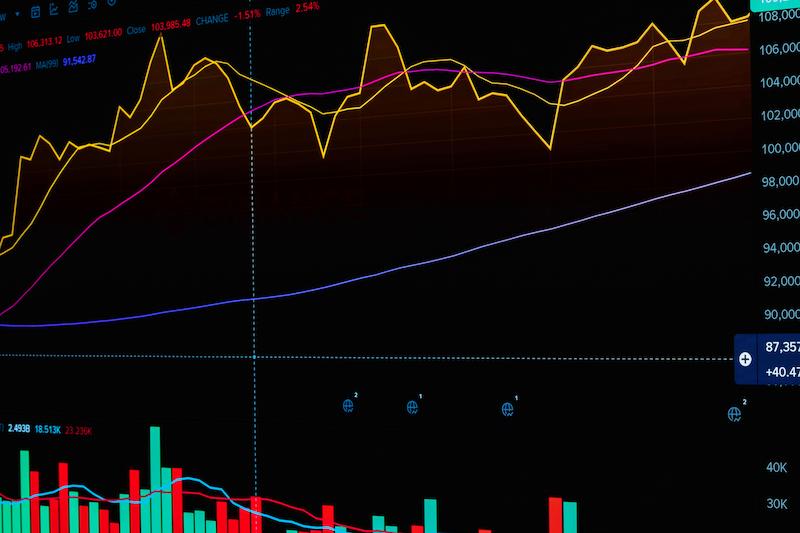
Anyone who watches the Sensex and Nifty regularly has noticed that they sometimes open sharply higher or lower without any domestic news. The explanation usually sits far away. Investors who check Dow Jones Live developments overnight often find the reason for an unusual opening gap. Similarly, a sudden swing in the Hang Seng Index during early Asian hours can foreshadow how local traders behave. Understanding why such linkages exist helps investors respond with logic instead of anxiety.
Table of Contents
The Role of Foreign Portfolio Investors
The foreign portfolio investors in the Indian market are one of the most important players. They have huge sums of money and the ability to diversify their portfolios across different countries. This means that any change in global geopolitical or economic situation can trigger their sales (or purchases) in the Indian stock market.
These movements can be mirrored on the indices in days, and then reversed in the following days. As such, keeping track of FPI buying and selling is a great way to know what is happening in the market, but it should always be taken with a grain of salt.
The market fundamentals are more important than anything else
It is vital for an investor to understand that there are various factors which drive stock indices and markets. Sometimes, they are purely emotional – a negative surprise abroad can trigger selling in Indian stocks, even if companies have better performance than the overall market. However, in a matter of months or years, fundamentals will show their worth – companies will continue to deliver value.
People tend to confuse temporary dips with long-term trends. It is crucial to keep a level head and recognise the situation at hand – is it a sudden reaction to an event or a fundamental shift in the market outlook?
The impact of the global market moves on the Indian ones can be indirect
The swings in the global markets can affect Indian ones in more than one way. The most evident one is the value of the rupee against other currencies. If foreign money becomes more valuable, it will limit the purchasing power of Indians and impact inflation. Since India is extremely dependent on oil, any changes in energy prices will affect transportation costs and, therefore, the overall economy.
The same applies to other commodities – spikes in metal prices will affect manufacturing, while decreases will improve the profitability of various transport companies (planes, cars, construction equipment). When the foreign markets make a move, it is important to assess the situation from multiple angles rather than reacting impulsively.
India’s domestic market has evolved to a certain degree
This means that there are now more domestic investors who can provide a much-needed balance to the flows of money. Mutual funds, in particular, have a constant inflow of SIP money which allows them to purchase stocks without being as reactive as foreign investors. Moreover, there is a growing number of retail investors who keep opening demat accounts. These factors contribute to a healthier stock market.
While there are still wild swings, they tend to be shorter now – and investors can breathe a sigh of relief. This development is especially important for long-term investors who want to keep a steady pace.
The practical guide on how to act as an investor
The most important piece of advice is to not make any rash decisions. Markets tend to be extremely volatile at the opening bell, but these moves are often undone throughout the day. Secondly, it is crucial to have a long-term vision and keep your investment goals in mind. It is much too early to panic – remember what was said about fundamentals.
Next, it is a good idea to keep a balanced portfolio in terms of different sectors and sizes of the companies. This way, a single event (say, a scandal involving one firm) will not affect your holdings severely. It also extends to different asset classes – having bonds, gold, and real estate alongside stocks will help you sleep better at night.
Finally, remember to keep some cash in case of emergencies – you do not want to liquidate your holdings at the lowest point. Most importantly, continue investing steadily – SIPs are a wise choice.
Large-scale movements in overseas markets will always affect Indian indices, but it is important to understand how exactly it interacts with them. Keeping a track of FPI activity is a great way to follow the trends, but remember the market fundamentals and take advantage of your knowledge of them.
It will allow you to remain calm and collected in the face of volatility. After all, that is the point of investing in the first place – to stay level-headed and continue on your path to financial freedom.