
Table of Contents
Key Takeaways
- Window glass can affect indoor temperature, glare, daylight, privacy, noise, and safety.
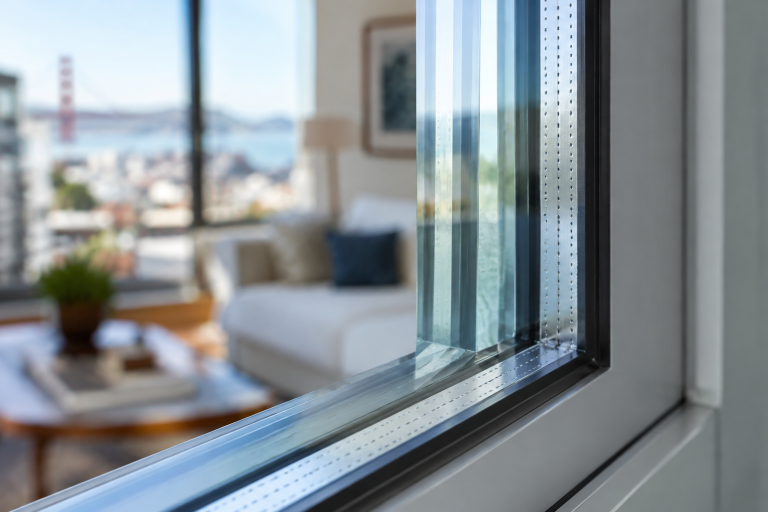
- Double-pane and triple-pane insulated units can improve thermal performance compared with single-pane glass.
- Low-emissivity, or low-E, coatings help manage heat transfer while still allowing daylight into a room.
- Tempered and laminated glass serve different safety and security purposes.
- The glass, frame, seals, and installation method all affect how a completed window performs.
In San Francisco, window glass has to do more than look good. It may need to soften street noise, manage bright afternoon light, preserve a view, protect privacy, and help rooms feel comfortable during cool, foggy mornings and sunny, inland-facing afternoons. For homeowners and property managers weighing repair or replacement options, glass company San Francisco services from Ace Glass Co. provide a local reference point. Ace Glass Co. serves residential and commercial properties across the San Francisco Bay Area with glass repair, window replacement, and custom glasswork, making its practical experience relevant to matching glass to safety, performance, and design needs.
There is no single best glass package for every building. A sunny living room, a street-facing storefront, a bathroom window, and a historic home can each call for a different balance of insulation, light transmission, privacy, appearance, and impact resistance.
Why Glass Choice Matters
Glass is one part of a complete window system, but it is a highly visible and important one. The type of glazing, coatings, spaces between panes, gas fill, frame material, and window operation all contribute to overall performance. The U.S. Department of Energy explains that homeowners should consider those features together when comparing window types and technologies, rather than judging a product by pane count alone.
In San Francisco, location within the property matters. A west-facing room can receive strong late-day sun, while a north-facing room may prioritize daylight and insulation. Homes near busy corridors may place more value on sound control, and close-set urban properties may need privacy glass without sacrificing useful natural light.
How Window Glass Affects Indoor Comfort
Comfort is not simply a matter of keeping a room warmer or cooler. It also includes reducing cold-feeling glass surfaces, limiting harsh glare, controlling drafts, and creating steadier conditions near windows. When comparing complete window units, look at these common ratings:
- U-factor: A lower value indicates less heat flow through the window.
- Solar Heat Gain Coefficient: A lower number means less solar heat is admitted through the product.
- Visible Transmittance: A higher number means more visible daylight passes through.
- Air leakage: A lower rating generally indicates less air passing through the unit.
These numbers are most useful when they are read as a group. A low solar heat gain rating may be helpful on a bright exposure, but a very low visible transmittance can make an already dim room feel darker. Ask for ratings for the entire product, including the frame, not just the center of the glass.
Common Types of Window Glass
Single-Pane Glass
Single-pane glass is common in older buildings and provides only one layer of glazing between indoors and outdoors. It may be appropriate when preserving certain original windows or replacing a small decorative pane, but it generally offers less insulation than modern insulated glass units.
Double-Pane and Triple-Pane Glass
Double-pane glass uses two panes separated by a sealed space, while triple-pane units add a third pane and another insulating space. These assemblies can reduce heat transfer. Triple-pane units may provide additional thermal and acoustic benefits, but they also add weight and may not suit every existing frame or opening.
Low-E Glass
Low-E glass has a thin coating designed to control heat transfer. Different low-E products are made for different performance goals, so the coating should be selected for the building’s climate, orientation, and desired daylight level rather than chosen by name alone.
Tempered and Laminated Glass
Tempered glass is heat-treated so that it breaks into relatively small pieces. Laminated glass contains an interlayer that helps retain fragments if the glass breaks. Laminated glass can also be useful where sound reduction or added resistance to forced entry is a priority.
Where Safety Glass Makes Sense
Safety glazing deserves special attention in areas where a person could fall against, walk into, or strike glass. Depending on the location and applicable code, tempered or laminated glass may be needed near:
- Doors, sidelites, and large glass panels near entrances
- Low windows close to walking surfaces
- Stairs, landings, and railings
- Bathtubs, showers, and other wet areas
- Large panes beside hallways or frequently used paths
Requirements can vary by project and jurisdiction. A qualified professional should evaluate the opening and confirm the appropriate glazing before fabrication or installation.
Glass, Daylight, and Curb Appeal
Clear glass supports open views and maximum daylight. Frosted or obscure glass can provide privacy in bathrooms, entry areas, and homes with close spacing. Patterned glass adds texture, while tinted options can alter a façade’s appearance and reduce some glare.
Large panes can create a clean, contemporary look, but their size affects weight, handling, structural support, privacy, and solar exposure. In Victorian homes, mid-century properties, and newer Bay Area renovations alike, the strongest results usually come from choosing glass that respects both the architecture and the room’s use.
A Simple Window Glass Selection Process
- Define the main problem. Identify whether heat, drafts, glare, noise, privacy, safety, breakage, or appearance is the primary concern.
- Assess the room. Note the window direction, shade from nearby buildings or trees, street exposure, and furniture placement.
- Choose performance priorities. A bedroom may benefit from better sound control, while a bathroom may need privacy and safety glazing.
- Inspect the frame and seals. Failed seals, damaged frames, and gaps around an opening can undermine otherwise capable glass.
- Confirm practical requirements. Review code considerations, lead times, installation access, and whether a glass-only replacement is possible.
Questions for a Glass Professional
- Is glass-only replacement appropriate, or does the whole unit need attention?
- Which glazing package fits this exposure and room use?
- Is safety glazing required for this opening?
- How will the opening be sealed against air and water intrusion?
- What product ratings and warranty terms are available?
- How will old or broken glass be removed and disposed of?
Common Questions About Window Glass
Is double-pane glass always better than single-pane glass?
Double-pane glass generally provides better insulation, but the final outcome also depends on the frame condition, seals, installation quality, and the room’s needs.
Will low-E glass make a room too dark?
Not necessarily. Low-E products vary, and visible transmittance ratings help show how much daylight a particular product allows through.
Can new glass reduce outside noise?
It can help, particularly when glass selection is combined with a well-sealed frame and installation. Laminated glass and insulated units may be considered when sound control is important.
Should the entire window always be replaced?
No. If the frame and surrounding opening are sound, replacing the glass may be a practical option. A warped, leaking, deteriorated, or structurally compromised frame may point toward a more complete replacement.
Final Thoughts
The right window glass for a San Francisco property balances comfort, safety, daylight, privacy, style, and budget. Start with the specific conditions at each opening, compare whole-window performance, and ensure the glass choice is supported by sound framing and careful installation. That approach helps create windows that work as well as they look.